
You're carrying groceries in from the garage on a Tuesday evening in late November when you feel it: a thin stream of cold air slipping under the door and curling around your ankles. A week ago that same garage felt sealed up tight. Then a cold front blew through overnight, the wind rattled the door in its tracks, and now there's a gap you can see daylight through at one corner. This is the moment most Grand Prairie homeowners first notice their garage door isn't ready for winter — and it's an easy fix if you catch it now instead of during the next ice event.
Why North Texas Winters Are Hard on Garage Doors
Winter here isn't about weeks of deep freeze. It's about sudden swings — a 70-degree afternoon followed by a 30-degree night, wind gusts ahead of a front, and the occasional ice storm that locks everything in place for a day or two. That kind of temperature whiplash makes metal panels contract and expand repeatedly, dries out rubber seals faster than steady cold would, and puts extra strain on springs that were already working hard through a hot Texas summer. A door that performed fine in October can start sticking, sagging, or whistling once the first real cold front hits.
Seal the Gaps Before the Wind Finds Them
Wind-driven cold air is usually the first problem homeowners notice, and it's almost always a worn seal, not a broken door.
- Bottom seal (astragal): Run your hand along the bottom of the closed door. If it's cracked, flattened, or no longer touching the floor evenly, it's not doing its job. Replacement seals are inexpensive and usually a straightforward swap.
- Side and top weatherstripping: Check the vinyl or rubber strips along the frame. Years of summer heat make this material brittle, and it can start to pull away or crack right as the weather turns.
- Corner gaps: These show up most after wind has been pushing on the door repeatedly. If light comes through at the corners even with new seals in place, the door itself may be slightly out of square — worth having checked before it gets worse.
Lubrication Matters More Than You'd Think in Cold Weather
Cold thickens grease and grime that built up over the summer, which is why doors often feel noticeably heavier or noisier on the first cold mornings of the season. Before the hardest cold front arrives:
- Wipe down rollers, hinges, and the torsion spring with a clean rag to remove dust and old lubricant.
- Apply a silicone-based garage door lubricant to moving metal parts — not WD-40, which is a solvent and cleans more than it lubricates long-term.
- Skip the nylon rollers when lubricating; they don't need it and oil can attract grit that wears them down faster.
A door that's properly lubricated runs quieter and puts less strain on the opener motor, which matters when that motor is already working harder to lift cold, stiff springs.
Protect the Opener and Electronics
Ice events in this part of Texas can knock out power for hours at a time. If your opener doesn't already have a battery backup, winter is the season that makes you wish you'd installed one — it's the difference between being stuck or stranded with the car inside versus opening the door manually or on battery power until electricity returns. It's also worth checking that the safety sensors near the floor are clean and properly aligned; wind-blown dust and debris from fall storms can knock them slightly out of position, which shows up as a door that reverses unexpectedly or won't close at all.
Check Panels and Hardware for Storm Damage Before Cold Makes It Worse
If your door took any hail or wind damage from storms earlier in the year, don't let small dents or cracked panels sit through winter. Cold makes metal and composite materials more brittle, so a minor stress crack that was cosmetic in August can spread once temperatures start dropping overnight. Same goes for loose hinges or bent track brackets — they're more likely to fail under the added strain of a stiff, cold door than a door that's been freshly adjusted.
When to Call Grand Prairie Garage Door
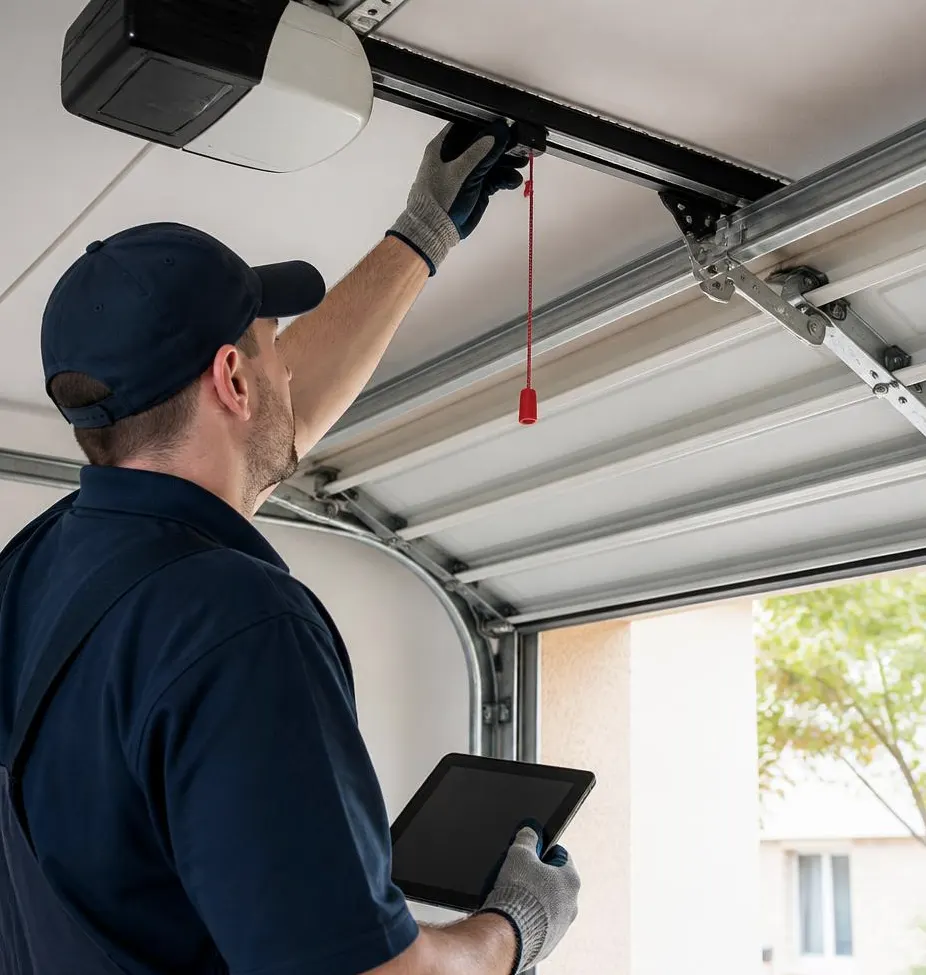
If you're hearing new noises, seeing daylight around the edges after resealing, or noticing the door feels heavier than it should, it's worth having it looked at before the next front comes through. Our garage door maintenance visits cover exactly this: inspecting springs, cables, rollers, and seals, then lubricating and adjusting everything for winter conditions. If a cold snap catches you with a door that won't open or close at all, our emergency garage door service gets a technician out to get you back up and running, whether that's a quick adjustment or a same-visit repair.
Get your garage door ready for whatever this North Texas winter brings. Call Grand Prairie Garage Door today to schedule a pre-winter inspection in Grand Prairie, TX and the surrounding area.